

Bad Faith
Bad faith disputes in commercial insurance litigation typically arise when a policyholder alleges that an insurer failed to investigate, evaluate, or pay a claim in accordance with the standards the insurance industry and applicable law require. These disputes surface in first-party property and casualty bad faith claims over whether an insurer's investigation and denial decision followed reasonable claims handling practices, in third-party bad faith litigation over whether an insurer failed to settle a claim within policy limits when it reasonably could have, and in disputes over whether an insurer's delay in paying a covered claim was unreasonable given the information available at the time. Because claims handling involves professional judgment about investigation adequacy, valuation, and the interpretation of policy language, reasonable claims professionals can disagree about whether a specific insurer's conduct was reasonable. The central issue is typically whether the insurer's claims handling, investigation, and payment decisions met the standard of care the insurance industry and applicable law require.
A bad faith expert helps attorneys evaluate that question by applying accepted claims handling standards and industry practice to the insurer's conduct at issue. That might mean assessing whether an insurer's investigation followed reasonable claims handling practices before a denial, evaluating whether a settlement decision within policy limits reflected reasonable claims judgment given the information available, or analyzing whether a payment delay was justified by legitimate investigation needs or reflected unreasonable claims handling. These findings support positions on bad faith liability and damages, giving attorneys an industry-grounded basis for litigation strategy.
Bad faith cases benefit from experts whose specific background, whether property and casualty claims handling, third-party liability claims, or a particular line of coverage, matches the precise claim type at issue rather than bad faith litigation in general terms. Round Table Group's bad faith network includes claims professionals, underwriters, and insurance attorneys with experience across health, auto, disability, life, and property insurance, several of whom have published on claims handling, underwriting, and liability standards. With more than 75,000 expert searches completed for litigators, we help attorneys match a case's specific bad faith issue to an expert whose credentials will withstand scrutiny. Let us help you find the right bad faith expert for your case by calling us at (202) 908-4500.
Banking

Litigation involving banking institutions frequently arises from disputes over lending practices, regulatory compliance, and the standards that govern how financial institutions manage risk and serve customers. Borrowers, regulators, counterparties, and shareholders often disagree about whether a bank's underwriting decisions, disclosure practices, or risk management protocols met the standard of care expected in the industry. These disputes become contested because banking is governed by a dense web of federal and state regulation alongside customary industry practice, leaving significant room for disagreement over what a prudent institution should have done. Given the technical and regulatory complexity involved, courts routinely look to independent expert analysis to determine whether a bank's conduct was reasonable under the circumstances.
Expert analysis in banking disputes typically involves reviewing underwriting files, risk management policies, and compliance documentation against applicable regulatory requirements and customary banking practices. Experts assess whether lending decisions, loan servicing, or disclosure practices conformed to standards set by regulators such as the Federal Reserve or the FDIC, and they can trace how a departure from those standards contributed to a borrower's or counterparty's losses. This work directly supports causation and damages analysis, quantifying losses tied to lending practices or operational failures, and it frequently informs litigation strategy by identifying the regulatory or industry benchmark against which a bank's conduct should be measured. When opposing experts offer a different account of customary banking practice, a well-credentialed expert can rebut that testimony with direct institutional experience.
Because banking litigation often depends on regulatory nuance, the right expert should bring direct institutional experience rather than general financial knowledge. Round Table Group's banking experts have served in senior roles at institutions including JPMorgan Chase, Goldman Sachs, and the FDIC, and several have held policy positions within the U.S. Department of the Treasury and the Federal Reserve. With more than 75,000 expert searches completed for litigators, we know how to match a case's specific lending, compliance, or risk management issue with an expert whose background speaks directly to it. Let us help you make sure you have the right expert on your banking case by calling us at (202) 908-4500.
Bankruptcy

There has been a recent dip in bankruptcy filings since 2011, as the number dropped by 1.8% between March 2017 and March 2018. Our bankruptcy expert witnesses, speakers, and consultants include scholars from major universities, CPAs, and lawyers who are experts in all areas of bankruptcy law, including chapters 7, 9, 11, 12, and 13.
Behavior

Commercial disputes increasingly turn on claims about how people and animals behave, whether customers respond to a promotional model, employees to a safety program, job applicants to an assessment tool, or livestock to a redesigned handling facility. When a vendor or consultant sells a behavioral product on the strength of represented results and those results fail to materialize, the buyer often alleges breach, misrepresentation, or professional negligence. Behavioral health providers and their acquirers face a parallel set of disputes over whether billed services, such as applied behavior analysis supervision hours, were actually delivered and documented. In each setting, the contested question is whether the behavioral science behind a product, program, or claim was sound and properly applied.
A behavior expert tests the methodology beneath the parties' positions, examining how a predictive model was validated, whether an assessment tool demonstrated job-relatedness, or whether a behavior-based safety protocol addressed the risk categories the incident data identified. That review often reveals whether a failure stemmed from flawed design, faulty implementation, or conditions the vendor could not reasonably control, a distinction that drives both liability and causation. Where billing or documentation is at issue, the expert can reconcile treatment records with professional practice standards to determine which services the evidence actually supports. Those findings give counsel a principled basis for quantifying damages, responding to regulatory exposure, and challenging an opposing expert whose conclusions rest on weak research design.
Since behavior spans disciplines as different as organizational psychology, neuroscience, and applied animal science, choosing the right expert starts with identifying which body of research actually governs the dispute. The experts we work with include organizational psychologists who have served as researchers, professors, and executive consultants, specialists in applied behavior analysis and single-subject research design, and animal behavior professionals with decades of experience in livestock facilities and working-dog training. Many have published extensively and testified repeatedly, bringing the credibility that comes from having defended their methods under cross-examination. Round Table Group draws on more than 75,000 expert searches for litigators to match counsel with that depth of experience. Tell us about your case by calling us at (202) 908-4500.
Benefits

There has been a steady rise in employee benefits, as a majority of employees report that work benefits increase their job satisfaction. Health and wellness options play a significant role in employment decisions for individuals of all ages. Our benefits experts have experience working within HR positions in a range of industries, handling benefit plans, severance plans, retirement plans, insurance plans, and more. These experts have deep knowledge as it relates to all forms of employee benefits.
Biochemistry
Our biochemistry expert witnesses, speakers, and consultants are primarily researchers and scholars from major universities. Our biochemistry experts hold various drug patents and are prolific authors in their respective fields.
Bioethics
As technology continues to advance at a rapid rate, bioethics experts are needed more than ever before. They play a critical role in the study and research associated with ethical issues that emerge when advances occur in medicine and biology.
Bioinformatics
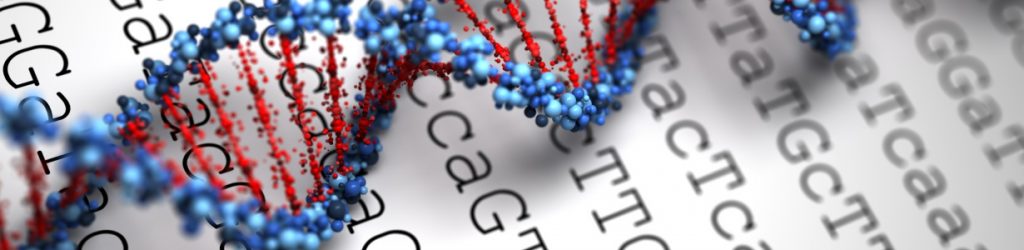
Data is more accessible and more powerful than ever before, which makes bioinformatics experts extremely influential. Our bioinformatics experts are capable of analyzing and interpreting increasingly complex biological data sets, combining knowledge of computer science, mathematics, biology, and statistics. These experts have been on the cutting edge of software developments and methodology utilized for the interpretation of biological data.
Biological Engineering

Biological engineering is the convergence of biological principles and engineering tools, resulting in the development of products that include medical devices, biocompatible materials, agricultural products, diagnostic equipment, and more. Our biological engineering experts have worked as professors, biological engineers, researchers, molecular biologists, chemical engineers, and more.
Biology

Biologists focus their studies on living organisms, and more specifically their structure, function, growth, evolution, and origin. Our biology expert witnesses, speakers, and consultants are researchers and scholars from major universities. Their knowledge spans the diverse disciplines that biology encompasses.
Biomaterials

Biomaterials disputes commonly arise in medical device product liability actions, patent disputes over implant and biomaterial design, and regulatory compliance matters involving devices engineered from novel biological or synthetic materials. These disputes are contested because biomaterials sit at the intersection of engineering, chemistry, and biology, and a device's failure or a patent claim's validity can turn on subtle questions about how a material behaves once implanted in a biological environment. Medical device manufacturers, insurers, and hospitals frequently need to establish whether an implant, coating, or biomaterial performed as designed or as represented in its regulatory clearance. The central issue is typically a technical one: whether a specific material property or biological interaction explains a device's failure or a patent's claimed function.
A biomaterials expert helps attorneys evaluate the technical record—material specifications, testing data, clinical outcomes—against recognized principles of materials science, chemistry, and biomedical engineering. This analysis often supports product liability and patent validity arguments, where the expert can explain whether a device's biomaterial component functioned or degraded as intended once implanted. In regulatory matters, the same analysis can establish whether a device's biomaterials were tested and cleared consistently with applicable standards, directly informing causation and damages arguments. This expertise frequently underlies rebuttal strategy as well, since opposing biomaterials experts can reach different conclusions about the same testing or clinical data.
Because biomaterials expertise spans polymer chemistry, tissue engineering, and biomedical device design, matching an expert's specific technical background to the material and application at issue is essential, and a general materials science credential is rarely enough. Our biomaterials network includes researchers and practitioners with experience in implant design, polymer synthesis, and medical device failure analysis, along with published work on topics such as tissue engineering and implant failure mechanisms. Round Table Group has completed more than 75,000 expert searches for litigators, helping attorneys move efficiently from a broad field of materials scientists to the specific expert whose background matches the biomaterial and device at issue. When you're ready to discuss your biomaterials case, reach out by calling us at (202) 908-4500.
Biomechanics

Biomechanics experts focus on the various and complex movements of a living body, which includes the role of bones, tendons, muscles, and ligaments. Our biomechanical expert witnesses have provided comprehensive testing and evaluation of products, comparative evaluation of products, evaluation and review of products relative to literature/industry standards, patent infringement review, and evaluation of design ideas.
Biomedical Science
Biomedical sciences are typically applied to formal science or natural science that is utilized within the public health space. Our biomedical science expert witnesses, speakers, and consultants are professionals and scholars from major universities.
Biophysics
Biophysics is a science that applies methods found in physics to biological development. Biophysics experts bring a variety of specialties to their work, as biophysics runs through the practice of bioengineering, biochemistry, nanotechnology, biomechanics, physical chemistry, molecular biology, and more.
Biosensors

Biosensors sit at the center of fast-growing markets in continuous glucose monitoring, point-of-care and in vitro diagnostics, food safety testing, environmental monitoring, and wearable health technology, and the commercial stakes behind them produce complex disputes. Device makers litigate patents covering electrode chemistry, enzyme immobilization, and signal processing, while diagnostics companies and their development partners contest whether a sensor platform met agreed sensitivity, specificity, and stability milestones. Supply agreements break down when bioreceptor reagents or sensor components drift out of specification, and acquirers question whether a target's validation data truly supported its regulatory and commercial projections. In each, the decisive issue is how a sensor actually performs at the interface between biology and electronics, and whether that performance matches the claims, specifications, or rights at stake.
A biosensors expert evaluates that performance by examining design files, assay chemistry, calibration and validation data, stability studies, and manufacturing records, and where appropriate by testing retained devices or reagents. That analysis can show whether a milestone failure stemmed from the sensor design, a supplier's component, the conjugation or immobilization chemistry, or the conditions of use, which often determines how responsibility is allocated between commercial partners. In patent matters, the expert explains how the accused sensor transduces a biological signal and compares that mechanism to the asserted claims and prior art. Those findings support breach, warranty, indemnity, and infringement theories, provide a technical foundation for damages, and equip counsel to challenge an opposing expert's interpretation of validation data.
Biosensor technology blends analytical chemistry, biochemistry, materials science, nanofabrication, and biomedical engineering, so the strongest expert is one whose research matches the sensing mechanism and application in dispute. The scientists we present include an analytical biochemist who has published on in vitro diagnostics, conjugation chemistry, and disease pathogen detection, biomedical engineers specializing in nanofabrication, biologically inspired sensors, and cancer biomarker detection, and an organic chemist who has published on glucose sensors. Our network also includes specialists in bioMEMS and electrophysiology, cell membrane and pathogen biosensing, semiconductor quantum dot sensors, and sensor technologies for food processing and quality evaluation. With more than 75,000 expert searches for litigators completed, Round Table Group can help you find the biosensors expert your matter requires. Tell us about your case by calling us at (202) 908-4500.
Biostatistics
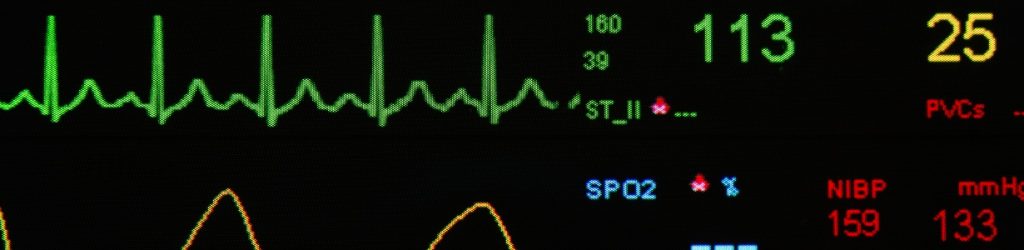
Currently a billion-dollar industry, biostatistics plays a significant role in public health by improving public awareness and monitoring diseases around the world. There is a growing need for biostatisticians, as major advancements are being made in the realm of technology. Our biostatistics experts are at the forefront of the field and have worked with the National Institute of Health, the Royal Statistical Society, the FDA, and at Universities and research facilities around the United States.
Biotech Pharma

Biotechnology principles are utilized by pharmaceutical companies in order to further the development of drugs and design pharmaceuticals that are more effective. Our biotech pharma experts have hundreds of years of combined experience as pharmacologists, toxicologists, biotech engineers, as well as renowned professors and consultants.
Biotechnology

Biotechnology disputes involve products and platforms that take years and substantial capital to develop, which makes the underlying intellectual property and commercial agreements exceptionally valuable. Innovators and competitors litigate patents covering antibodies, therapeutic proteins, vaccines, gene constructs, diagnostic assays, and engineered crops, and biosimilar and follow-on entry frequently triggers complex infringement and validity contests. Collaboration, licensing, and supply agreements generate disputes over milestones, royalties, development diligence, and ownership of improvements, while manufacturing and regulatory questions arise when a product fails to meet specifications or FDA expectations. The central issue is typically what the science actually shows about a molecule, process, or organism and how that science maps onto the parties' legal rights and obligations.
A biotechnology expert helps counsel translate complex laboratory and development records into opinions a court can evaluate. In patent matters, the analysis may involve sequence and structural comparisons, assay and characterization data, and the state of the art at the priority date, supporting positions on infringement, obviousness, written description, and enablement. In contract disputes, experts can assess whether a party used commercially reasonable efforts, whether a development program was scientifically sound, and whether a milestone was actually achieved. Manufacturing and regulatory specialists can evaluate process validation, analytical methods, and compliance with FDA requirements, while industry economists address commercial success, market dynamics, and royalty rates. Together, those opinions support liability and damages theories and give counsel the tools to challenge overstated scientific claims by the opposing side.
Biotechnology spans molecular biology, immunology, protein chemistry, plant genetics, bioprocess engineering, regulatory science, and industry economics, so the expert who can explain an antibody's binding characteristics may not be the right witness on royalty rates or crop transformation. Experts in our network include inventors holding dozens of patents in drug design and delivery, immunologists who have testified on novelty, inventiveness, and enablement, and crystallization scientists who have testified repeatedly on polymorphism and solubility. It also includes FDA regulatory specialists who have testified many times, patent practitioners experienced in inequitable conduct and licensing disputes, pharmaceutical economists who have testified on commercial success and survey design, and founders who have taken biotechnology companies through successful public offerings. Round Table Group has completed more than 75,000 expert searches for litigators and applies that experience to matching the scientific and commercial expertise your biotechnology dispute requires. Let us help you find the right biotechnology expert by calling us at (202) 908-4500.
Brain
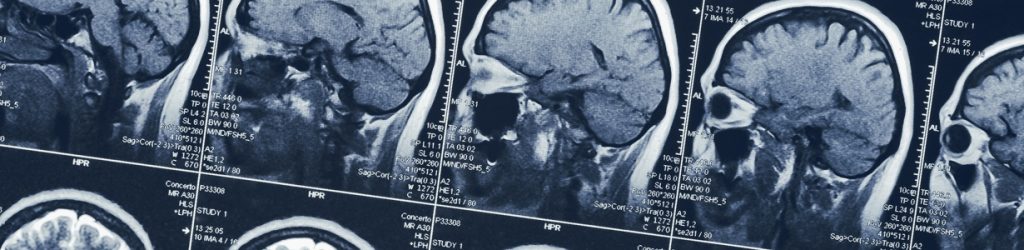
Traumatic brain injury accounts for about 30% of all injury-related deaths, with individuals over the age of 75 at the highest risk. Brain damage can have a significant impact on the affected individual’s memory, senses, and personality. Our brain experts have experience teaching and conducting research at leading universities, directing world-renowned research facilities, and practicing medicine at hospitals around the United States.
Branding

It takes somewhere between 5 and 7 impressions for an individual to truly remember a brand, with 89% of consumers remaining loyal to a brand when they feel that their values are shared. Our branding experts have worked with major corporations, such as Honeywell, Dell Computer, Canon USA, Taco Bell, Verizon, AT&T, BellSouth, Campbell Soup, Kraft Foods, Miller Brewing, Peugeot, Pfizer, Prudential, and Visa, and are authors of best-selling books and numerous scholarly articles.
Breast Cancer

According to the Breast Cancer Research Foundation, in 2018 there were an estimated “266,120 new cases of invasive breast cancer diagnosed in women and 2,550 cases diagnosed in men.” These numbers lead to breast cancer being the second most common cancer among women in America. Our breast cancer experts are leading minds in universities and research facilities around the country.
Broker
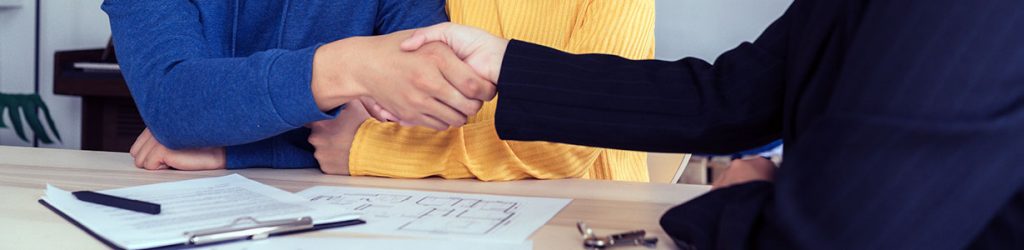
The role of broker is to help facilitate transactions between buyers and sellers, typically involving a commission. This expertise spans multiple industries including insurance, information, auto transport, real estate, IP, finance, and more. Our broker experts have experience working in all of these industries as brokers, consultants, appraisers, professors, lenders, property managers, and advisors.
Business

Businesses have a massive amount of potential legal vulnerabilities, and retaining the right business expert can solidify a case and ensure success. Whether in need of an expert in marketing, human resources, workers’ compensation, finance, IP, trade secrets, or mergers and acquisitions, our business experts have successfully testified for both plaintiffs and defense in a variety of cases, and are prolific international authors and lecturers.
Business Development

Business development decisions, including how companies form alliances, enter markets, build sales channels, and pursue acquisitions, generate disputes whenever expected opportunities fail to materialize or one party appears to have captured value that belonged to another. Companies litigate breached distribution, reseller, and strategic alliance agreements, contest whether a partner used commercially reasonable efforts to develop a market, and pursue former executives or partners accused of diverting opportunities or customers. Sellers and buyers dispute earn-outs tied to post-closing growth, while consultants and agents face claims that represented introductions, pipelines, or market access never materialized. In each matter, the central question is what a reasonable business development effort would have achieved and how the challenged conduct affected that outcome.
A business development expert answers that question by grounding it in industry practice and evidence, reviewing pipelines, CRM records, channel performance data, partnership plans, and market conditions. The expert can assess whether a partner's sales and marketing efforts met commercially reasonable standards for the industry, whether projected growth in a business plan or earn-out was achievable, and how comparable companies built similar channels or alliances. That analysis supports causation by separating losses attributable to the defendant's conduct from market shifts, competitive dynamics, or the plaintiff's own execution. The resulting opinions frame liability under efforts clauses, fiduciary and non-solicitation obligations, and earn-out provisions, inform lost-profit and diminished-value damages, and equip counsel to challenge opposing projections that lack a credible commercial foundation.
Business development experience varies widely by industry and by function, so the right expert is one who has built channels, alliances, or markets in the sector at issue. The professionals we present include consultants whose clients have included Intel, AT&T, Microsoft, and the U.S. Department of Homeland Security, a strategy and management consultant experienced in contract negotiation, restructuring, and post-merger integration, and a publishing and advertising executive who has testified 20 times on advertising trends and niche publishing. Our network also includes business development leaders in managed health care, hospital administration, telecommunications, employee benefits, and private equity, including an executive whose relationships led to two major acquisitions in the managed care industry. Drawing on more than 75,000 expert searches for litigators, Round Table Group can help you identify the business development expert your matter requires. Let us help you find the right fit by calling us at (202) 908-4500.
Business Ethics
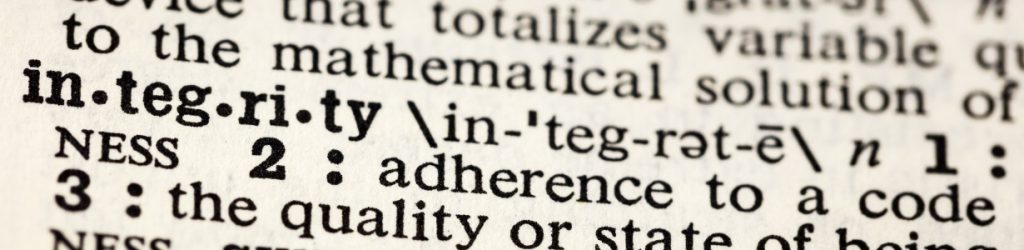
Business ethics are defined by the standard of behavior that an organization establishes in the workplace. Many businesses have a difficult time properly defining what should be viewed as “acceptable or unacceptable”. Our business ethics experts have honed their expertise through their work as consultants, ethics scholars, and corporate executives.
Business Valuation

In order to properly estimate the economic value of a business, financial market professionals conduct a business valuation. Our business valuation expert witnesses, speakers, and consultants are scholars, researchers, and industry professionals from top valuation and expert witness firms who hold designations, such as Accredited Senior Appraisers (ASAs) in Business Valuation, Chartered Financial Analyst (CFAs), Certified Business Appraisers (CBAs), Accredited Valuation Analyst (AVAs), Certified Business Intermediaries (Fellow) (FCBIs), and Certified Fraud Examiners (CFEs).