

Engaging with Hydrogeologist Expert, Theresa Jehn-Dellaport
December 23, 2025In this episode…
Demonstratives play an important role in Theresa Jehn-Dellaport’s expert work. Diagrams and animations help experts explain technical ideas in ways that fact finders can easily digest. They make abstract concepts concrete, highlight key points, and reduce confusion.
Check out the entire episode for our discussion on depositions, slowing the pace down when you need a moment to think, and when to decline an engagement.
Note: Transcript has been lightly edited for clarity
Host: Noah A. Bolmer, Round Table Group
Guest: Theresa Jehn-Dellaport, Owner of Quantum Water and Environment
Noah Bolmer: Welcome to Engaging Experts. I’m your host, Noah Bolmer, and today I’m excited to welcome Teresa Jehn-Dellaporte to the show. Ms. Jehn-Dellaporte is a hydrogeologist and the owner of Quantum Water and Environment, an engineering firm specializing in water resources, environmental remediation, investigation, and cleanup. She is a published author and holds a master’s degree in hydrogeology from Wright State University. Ms. Jehn-Dellaporte, thank you for joining me today on Engaging Experts.
Theresa Jehn-Dellaport: Thank you. I’m happy to be here.
Noah Bolmer: You have several decades of hydrogeological experience. How did you first become involved in expert witnessing?
Theresa Jehn-Dellaport: It was my first job as an entry-level junior staff member. I served as an expert witness at a landfill siting hearing in Lancaster, Pennsylvania. I had one to two years’ experience, and they wanted me to do it. I did it.
Noah Bolmer: What was that like? Were you even aware of expert witnessing as a career or as a job at that point?
Theresa Jehn-Dellaport: Yes, I was in graduate school, and an attorney taught a class about it and the legal aspects of water. She [taught] us various things about being an expert, so I wasn’t completely unfamiliar with it.
Noah Bolmer: What were some of the things that she taught you, and showed you, that new expert witnesses should know when they receive that first phone call out of the blue? [Many] experts don’t have that opportunity. They haven’t been coached at all. They receive a call saying, “I have action and I need somebody with your expertise.” What are some of the things that they should know?
Theresa Jehn-Dellaport: First, don’t be afraid of it. If they’re calling you to be an expert, you’re the expert. You will know more than anybody else. Depending on the attorney, they will coach you on how to be one if you’ve never done one before. They will also practice with you. I had one attorney who was specific about what I should say and not say. He was good about saying, “That’s a good answer, but could you also just say it this way?” He would ask my opinion, and if I didn’t agree, then he was fine with it. Work with your attorney. Look at some or listen to some of your podcasts. Just be yourself.
The other important thing is not to answer the question immediately. That’s one of the hardest things to learn as an expert because it’s not- you’re trying to have a conversation with the attorney, don’t do that. Take a breath and stop before you respond. It’s hard to do, and it’s hard to be consistent. Over the years, one of my techniques was that I would wait for the court reporter to finish typing in the question before I would respond. That was my cue, but now it’s not so clackety clack, so you’re not using your computer to talk. Sometimes you can’t tell if they’re done. It’s difficult, and that is the biggest thing for me.
Noah Bolmer: Let’s talk about some of those initial phone calls. You get a phone call from an attorney. What are the questions that attorneys ask expert witnesses for a new engagement? What are the questions that expert witnesses should be asking the attorneys as well because it is a two-way vetting process?
Theresa Jehn-Dellaport: The attorneys will ask you about your qualifications. Whether you’ve done something similar or [if] you have the expertise? You have to be completely honest and upfront. Don’t emphasize any of your qualifications. Just say, “Yes, I’ve done something similar. This is what I’ve done.” They will ask you, “Do you feel comfortable with it?” If you don’t, say you don’t, and decline.
Noah Bolmer: Absolutely.
Theresa Jehn-Dellaport: You also have to be comfortable with the attorney. If there’s an attorney that you don’t feel you have a rapport with, and that does happen, you can decline that as well. Don’t take on anything because you’ve been flattered or feel you can do it. You have to be super comfortable because if you’re not, that’s going to come out in your testimony.
Noah Bolmer: Are there any red flags that you look for that let you know, maybe I shouldn’t take this engagement?
Theresa Jehn-Dellaport: Yes. That’s never happened to me, but it’s happened to a colleague where they’ve asked an expert to not talk about a piece of data. Can you ignore that piece of data in your testimony? No, you can’t. Your credibility can only be lost once. Once it’s lost, it’s out there.
Noah Bolmer: Speaking of having your credibility out there, everything we write these days is online. [Many] expert witnesses are well-published or have an active social media presence. What are the things that experts can do to make sure that they stay consistent with what they’re saying in their daily lives? They can be impeached during depositions, cross-examination, or rebuttal reports on anything that they’ve ever said. How do you keep track of everything? How do you respond when somebody tries to impeach you on something that you’ve said before?
Theresa Jehn-Dellaport: That’s a good question, and I’ve seen that happen to other experts. In this case, you said X, and now you’re saying Y. Why does that happen? That’s never happened to me. It’s to try and be consistent and technically, scientifically engineering accurate on everything you do. Then you will be able to come up with an answer if something is different. Technically, it is a challenge. In my case, a judge decides a lot of these cases. There is no jury. I have found that in highly technical cases, the judge doesn’t understand. They will split with the baby. That’s happened to me more than once.
Noah Bolmer: Tell me more about that. How do you handle those situations?
Theresa Jehn-Dellaport: The judge decides, and then the attorney can decide whether to appeal it or not. I’ve had that more than once, where they just divide and give everybody half.
Noah Bolmer: Let’s talk about preparation. Expert witnesses find themselves in different high-pressure situations. There’s report writing. There are depositions and cross-examination if you make it to a jury trial. How do you like to prepare for a potentially contentious action?
Theresa Jehn-Dellaport: You mentioned report writing, deposition, and so forth. One of the other things that’s important in my field is exhibits. Exhibits tell a story. Most people are visual learners. If you can prepare exhibits that describe the technical details to a layperson, then you’ve done your job. To prepare, I like to start with the visuals. Then go from there. Once you have the visuals, the report writes itself. Prepare for depositions by reading every available piece of information. If a lawyer sends you 5,000 pages, read every page because it’s in the record and you’ll be asked about it.
Noah Bolmer: Let’s dig a bit more into those demonstratives and exhibits. Do you prepare those yourself, or does your attorney prepare them? How do you go about that?
Theresa Jehn-Dellaport: I have an excellent staff behind me, and as an expert, I direct them to do things. I have an outstanding GIS individual specializing in geographic information systems or mapping. That is important in my field. Show the map, the data behind the map, and how it works. We often use data animations to help people understand what they are. There’s a groundwater model. What is that? You can show the surface. Then you can tilt an animation and say, “Here’s the groundwater and how it flows. Here’s where the creek is.” That’s been super helpful in my work.
Noah Bolmer: Is that something that has been there since you started expert witnessing?
Theresa Jehn-Dellaport: When I started, we were using pens and paper to draw things. It changes constantly. The way we look at it is that we have to keep on top of all that emerging technology to see how it helps us.
Noah Bolmer: Have you been through a lot of depositions?
Theresa Jehn-Dellaport: I’ve been through many. A dozen or more. I lost track along the way.
Noah Bolmer: Why don’t you walk me through a deposition, as a first-time expert witness, step-by-step? What are the things that you come into contact with, and what are the questions they ask? Give me an A-to-Z walkthrough of a typical deposition in your experience.
Theresa Jehn-Dellaport: [None] of them are typical. They’re all different. It could be one attorney. It could be several attorneys. There could be exhibits they want you to look at and draw on. I’ve been in basements and online. Recently, I had one in my office, and the attorneys were remote. You’re prepared for anything. I had one where an attorney wanted me to draw lines on a map about a particular thing. I said, “First, I don’t know who created those maps.” There was no information. In the technical details, there was no scale. There was nothing. I said, “No, I can’t do it.” Don’t be afraid to do that. If you don’t know the answer to a question or you need a few more minutes, take your time. Ask to take a break. You’re allowed to take a break to use the restroom and confer with your attorney. Sometimes I will take a drink of water to give myself another minute to think.
Noah Bolmer: Sure.
Theresa Jehn-Dellaport: Have water, cough drops, or throat lozenges because you’re talking a lot. Then, you get hoarse, so always have them available. I learned that the hard way. Talking so much, I have to have something to soothe my throat. Those are two good things. Have water and throat lozenges available.
Noah Bolmer: Excellent advice. Do you have any stories or tentpole cases that either changed the way that you go about expert witnessing or reinforced something that you are doing as an expert witness?
Theresa Jehn-Dellaport: There are many stories, but a recent one I did was a case about who owns which part of the river. It had to do with the thread of the stream. Where was the deepest part of the river aa flat line stream? We had used LIDAR data. LIDAR data is a type of laser where you can collect data from an airplane. I was trying to illustrate how a laser goes through the water. I thought, I’ll use a laser pointer and point it through a glass, right? I had purposely packed a laser pointer. I got to the courtroom, and I couldn’t find it. I don’t know where I don’t know what I did. The opposing counsel, as I was going up, said, “Theresa, do you need a laser pointer?” I said, “Sure.” The judge had a glass of water on his desk, so I was able to demonstrate that easily. That was a fun coincidence there. Quick thinking.
On that day, I was not feeling 100% either. I had a stomach bug or something, so the opposing counsel was a little grumpy at me because I wasn’t responding quickly enough. I’d already told them that I wasn’t feeling well. I said, “I apologize, judge. I’m feeling a little under the weather. Just give me a minute.” Just to get sympathy for me. That was one thing I did. You have to be quick on your feet. Don’t let a judge or opposing counsel bully you. If they are asking you rapid-fire questions, don’t answer them right away. Take a minute and don’t let them roll over you. Hopefully, your counsel will object to the bullying.
Noah Bolmer: How important is demeanor in these actions? If you are in a deposition, in court, or something like a remote telepresence deposition, does that change anything?
Theresa Jehn-Dellaport: All good questions. Be yourself. Don’t be hostile. I’ve watched some of the best experts; they’re friendly. They want to be your friends. They want to explain it to you carefully. Those are the best because they’re disarming. So, don’t be hostile. The opposing counsel is doing their job. They’re asking questions to try to trip you up, and they do, but you know more than anybody else. Just know your stuff.
Noah Bolmer: Have you written rebuttal reports?
Theresa Jehn-Dellaport: Yes.
Noah Bolmer: Tell me about the differences between writing an initial report and writing a rebuttal report.
Theresa Jehn-Dellaport: Good question. The initial report is your opinions. It’s this is what I found. This is what I’m doing. A rebuttal report can be a couple different things. You could be looking at your opposition’s expert [report]. I’m reviewing their report and say, “You didn’t look at this or you didn’t look at that, and we don’t agree with this kind of thing.” The other kind of rebuttal report is a rebuttal of the rebuttal. If another expert writes something to you, then you can respond to their comments. A rebuttal of a rebuttal kind of thing. It’s looking at maybe they have seen something. That piece of evidence that you didn’t know existed that you weren’t aware of. Then you could look at that in a rebuttal and you could say, I do agree with that and or I don’t agree with it.
Noah Bolmer: There’s a variety of venues out there and they range from subject matter; Things like working in torts, class actions, IP, et cetera. Then there’s also locations. You might work in a state or local government, a new state, a new country, or a new type of court. Have you worked in different venues? If so, as an expert witness, how are some of the- how do some of these differences affect the way that you go about expert witnessing or preparing?
Theresa Jehn-Dellaport: I work in civil cases. I was an expert for a federal case. A lot of my work is in water court in Colorado as an expert. There are different venues, different rules, different types of ways that the attorney wants you to respond. Civil cases are a little different than a water court case. A judge decides a court case in water court. In water court, you can go to what’s called a referee first.
Noah Bolmer: What’s a referee?
Theresa Jehn-Dellaport: A water court referee is below the judge. The referee, what they try and do is bring the opposing parties together to come to an agreement before going to trial. The referee can say, well, City X, if you do this, will they get out of the case, that kind of thing. You come up with what’s called a consent decree. If that fails, then you set it for trial, you have all the trial dates, and all that stuff.
Noah Bolmer: Sounds a little bit like a like an arbitration or something.
Theresa Jehn-Dellaport: Kind of. The referee can sign a ruling, so there’s that. Then, of course, there are civil cases. At the federal case I did federal with a judge-
Noah Bolmer: When you’ve worked for-
Theresa Jehn-Dellaport: -in front of a jury
Noah Bolmer: When you’ve worked for a federal case, for instance, are there differences that your attorney makes you aware of saying, “I know this is the first time you’ve been in this venue. These are some of the changes. These are some of the things that you need to do differently.”
Theresa Jehn-Dellaport: Good question. It was a while ago and I’m trying to remember exactly. He did coach me well on what to do. How the report needed to be formatted, and those kinds of things. It was- that one settled before it went to trial. It was only deposition, but similar. The attorney coached me well.
Noah Bolmer: Let’s talk about a couple of general topics. What makes for a positive expert attorney relationship? Put another way, how do you get off on the right foot, maintain that momentum, and have a good, productive relationship throughout the engagement?
Theresa Jehn-Dellaport: Good question. I work with many attorneys. I work well with attorneys that respect my opinion, ask me detailed questions, and learn about the topic. I had one attorney who was completely new to a water trespass case. He came to my office and we went through everything step by step so he could learn it well. Those are the best. Those are great. You get a good rapport. They’re respectful. They trust you as an expert, and they ask your opinion. They make sure everything- they don’t try and do your job.
Noah Bolmer: As somebody who’s worked with so many attorneys, are there any behaviors that are off-putting or you wish attorneys knew things they shouldn’t be doing?
Theresa Jehn-Dellaport: Tell me what my opinion is. I’ve had one or two of those and I told them- I’ve had them say, your opinion is going to be this. I have said,” I can’t work for you. I’m sorry. I just can’t do it.” As I said, your reputation can only be lost once. I had to tell the client, “I’m sorry. Unless you change attorneys, I can’t be your expert.”
Noah Bolmer: You’ve mentioned your reputation and credibility several times. What are the things that- what makes a credible expert witness? Is it being current in your field? Is it being well published? Is it your demeanor? What are the most important aspects of credibility?
Theresa Jehn-Dellaport: A very good question. In my case, it’s always being upfront and honest with- if you don’t know the answer, don’t make it up. That you could be relied on to give scientifically accurate information.
Noah Bolmer: Sure.
Theresa Jehn-Dellaport: Yes, All of those things. Being published, public speaking, being well respected by the regulatory agencies. Working well with regulatory agencies is another thing. In my field, I’ve seen so many people be extremely hostile to regulators when they represent a client. And I- these folks are just trying to do their job. You have to be respectful of them and what they’re asking for, which maybe seems silly to you, but that’s what they need to do. Getting that rapport with regulators, [gets] you that reputation all the way down the line. With contractors and anybody that you work with. So, be respectful.
Noah Bolmer: Absolutely. Before we wrap up, do you have any last advice for expert witnesses or attorneys who work with experts?
Theresa Jehn-Dellaport: I’ve worked with several well-respected consultants who have never done it. They say, “I don’t know if I can do it.” You can. You have to have a certain mindset to do it. I work with a lot of introverts and it’s okay. It’s not for everybody. If you don’t feel comfortable, then don’t do it because it’ll come out in your testimony.
Noah Bolmer: Sage advice. Ms. Jehn-Dellacorte, thank you for joining me today.
Theresa Jehn-Dellaport: Thank you. I appreciate it. My pleasure.
Noah Bolmer: And thank you as always to our listeners for joining us for another edition of Engaging Experts. Cheers.
Subscribe to Engaging Experts Podcast
Share This Episode
Go behind the scenes with influential attorneys as we go deep on various topics related to effectively using expert witnesses.
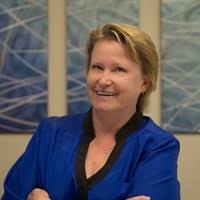
Theresa Jehn-Dellaport, Hydrogeologist and Owner, Quantum Water & Environment
Theresa Jehn-Dellaport is a hydrogeologist and the owner of Quantum Water & Environment, an engineering firm specializing in water resources, environmental remediation, investigation, and cleanup. She is a published author and holds a master's degree in hydrogeology from Wright State University.
Find more episodes:
Expert Witness & Attorney Relationship, Expert Witness Credibility, Expert Witness Demeanor, Expert Witness Deposition, Expert Witness Preparation, Expert Witness Report Writing, Expert Witness Visual Aid, Government Expert Witnesses, VenuesEnvironmental is defined as relating to the natural world and the impact of human activity on its condition. It is related to the protection of the natural world of land, sea, air, plants, and animals. Pollution, climate change, resource depletion, and environmental decay are all important environmental issues.
Hydrogeology is a focus area within the realm of geology that deals specifically with the movement and distribution of groundwater in the soil and rocks of the planet’s crust. Water is at the center of life on earth, making it a critically important topic. Water isn’t obstructed by borders or property, which often leads to complex disputes.